




-1675d2368c6531b4186d0c38e40719e5.png)


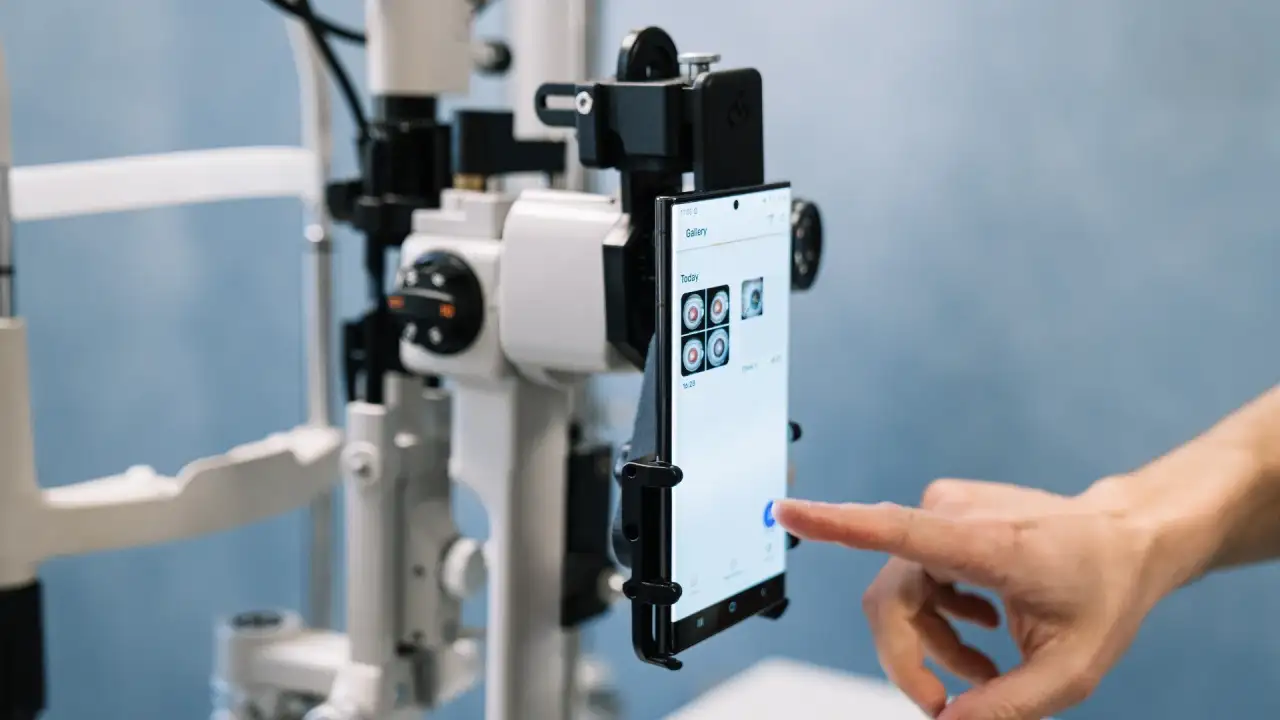
Slit lamp photography offers undeniable clinical value—from documenting corneal ulcers to educating patients and protecting against medicolegal risks. But is it financially worthwhile for your practice?
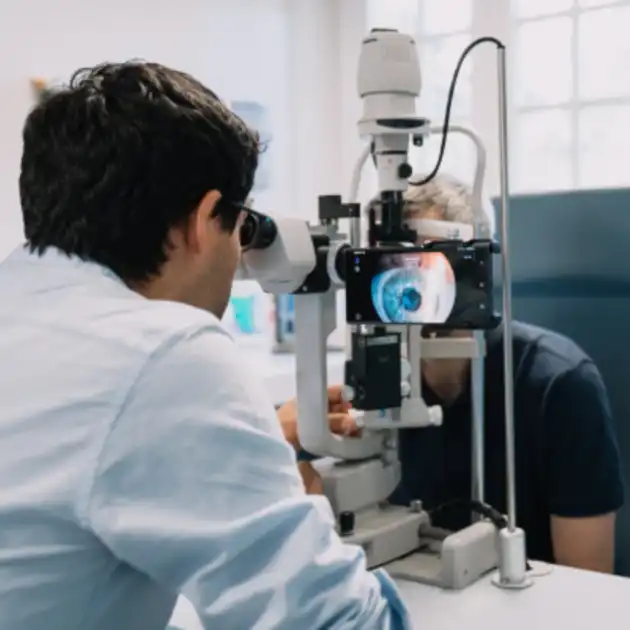
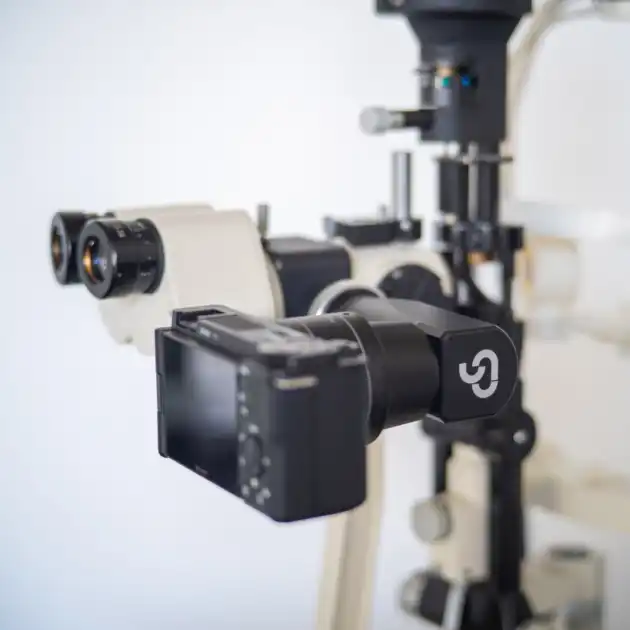
This article explores how reimbursement for anterior segment imaging works in different countries and how integrating tools like MicroREC, MicroREC Ultra, or MicroREC Connect can deliver value beyond just image quality.
What Is Slit Lamp Photography?
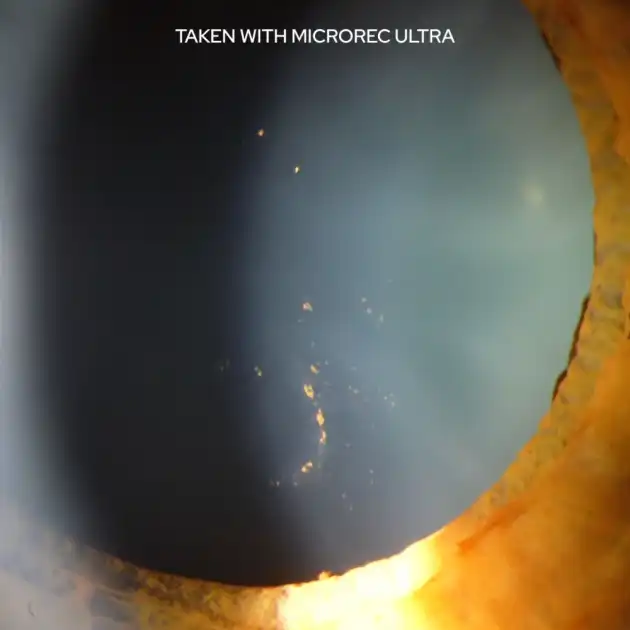
Slit lamp photography involves capturing high-resolution images of the eye's anterior segment (cornea, conjunctiva, lens, etc.) during routine or specialized examinations. It allows for:
- Documentation of pathology progression
- Pre/post-treatment comparisons
- Patient education and counseling
- Medicolegal documentation
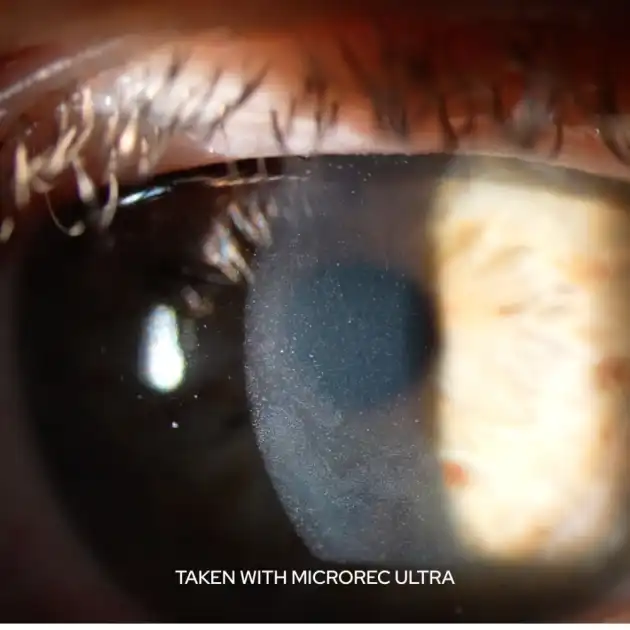
Despite its benefits, many practitioners hesitate to invest in slit lamp imaging due to questions around reimbursement. So, let's break it down by region.
🇺🇸 Reimbursement in the United States
CPT Code 92285: The Go-To Billing Option
Slit lamp photography is typically billed under CPT 92285:
External ocular photography with interpretation and report for documentation of medical progress (e.g., close‐up photography, slit‐lamp photography, goniophotography).
Typical Reimbursement Rates
- Medicare (non-facility national average): ~$10–$15
- Private/Commercial Insurance: $20–$40 (or more, depending on contract)
This is unilateral/bilateral, so photographing both eyes doesn't increase the reimbursement.
Billing Must-Knows
- No double-dipping: Eye exams (e.g., 92004, 99213) do not include photography.
- No "routine" billing: Documentation must prove medical necessity.
- Modifiers rarely required: But always check your payer's policies.
Source: CPT coding guidelines and Medicare Physician Fee Schedule.
🇩🇪 Germany: Private vs. Statutory Insurance
Statutory Insurance (EBM)
There is no additional reimbursement for slit lamp photography under EBM. It's bundled into general ophthalmological services.
Private Insurance (GOÄ)
While no dedicated code exists, two analog codes are typically used:
- GOÄ 420 – Slit lamp exam (~€10.70)
- GOÄ 1375 analog – Image documentation (~€16.10)
At a typical 2.3x factor, you can bill ~€26.80 per photo session for private patients.
ROI Estimate
If you see 25 patients/day and 30% are private:
- 10–20% may need slit lamp photos.
- That's 1–2 photos/day = €15–€40/day.
- Potentially €3,000–€8,000/year, making an imaging system pay off in 2–5 years.
Sources: GOÄ codes 420 and 1375; Bundesärztekammer Gebührenordnung.
Other Countries: Summary Snapshot
🇨🇦 Canada
- Provincial variation (e.g., Ontario OHIP has codes for ocular imaging).
- Often requires documented medical necessity.
- Modest or bundled reimbursement is common.
🇦🇺 Australia
- No specific MBS item for anterior segment photography.
- May be bundled or covered if it fits criteria for "special tests."
🇬🇧 United Kingdom
- Under NHS: No itemized fee—photography is bundled in ophthalmic tariffs.
- In private practice, itemized billing may be possible but uncommon.
🇫🇷 France and 🇪🇺 Rest of Europe
- CCAM codes cover imaging like OCT and fundus photos.
- Slit lamp photography is typically bundled unless special documentation criteria are met.
Sources: OHIP fee schedule (Canada), MBS (Australia), NHS tariff structure (UK), CCAM (France).
Beyond Billing: Why Slit Lamp Imaging Still Pays Off
1. Medicolegal Protection
Clear, time-stamped imagery can safeguard your decisions and help avoid disputes.
2. Better Patient Communication
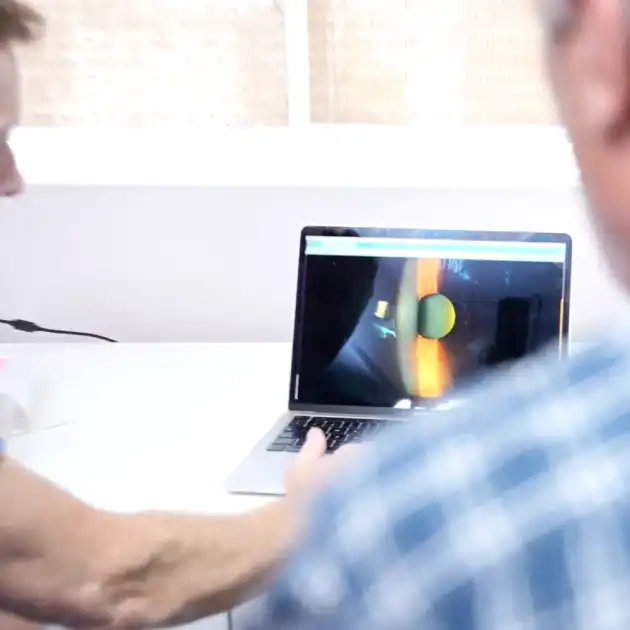
Showing patients their pathology improves understanding, trust, and adherence.
3. Differentiation & Marketing
Practices that advertise high-tech, comprehensive documentation can attract more discerning patients—especially private ones.
Tools That Maximize ROI
If you decide to introduce slit lamp photography, make sure your system:
- Captures high-resolution images and video
- Is simple to use
- Integrates into your existing workflow
- Offers portability (for multi-room use or teleophthalmology)
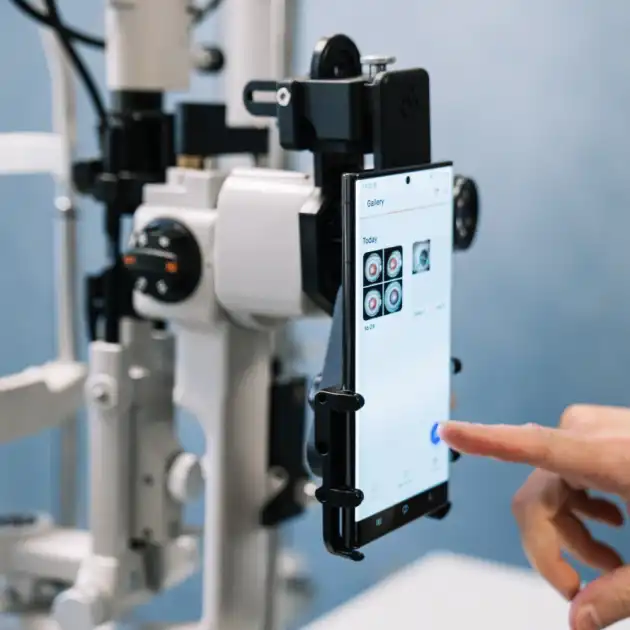
Custom Surgical's MicroREC, MicroREC Ultra, MicroREC 3D, and MicroREC Connect are designed with exactly these needs in mind—whether you need basic documentation or advanced educational tools.
Final Takeaway
While reimbursement for slit lamp photography varies worldwide, it can still be a revenue-generating and value-adding service—especially in private healthcare settings. Even when the financial return is modest, the clinical, legal, and marketing benefits often justify the investment.
Thinking about upgrading your slit lamp with a camera? Talk to a specialist to know which recording system is best for your case.